
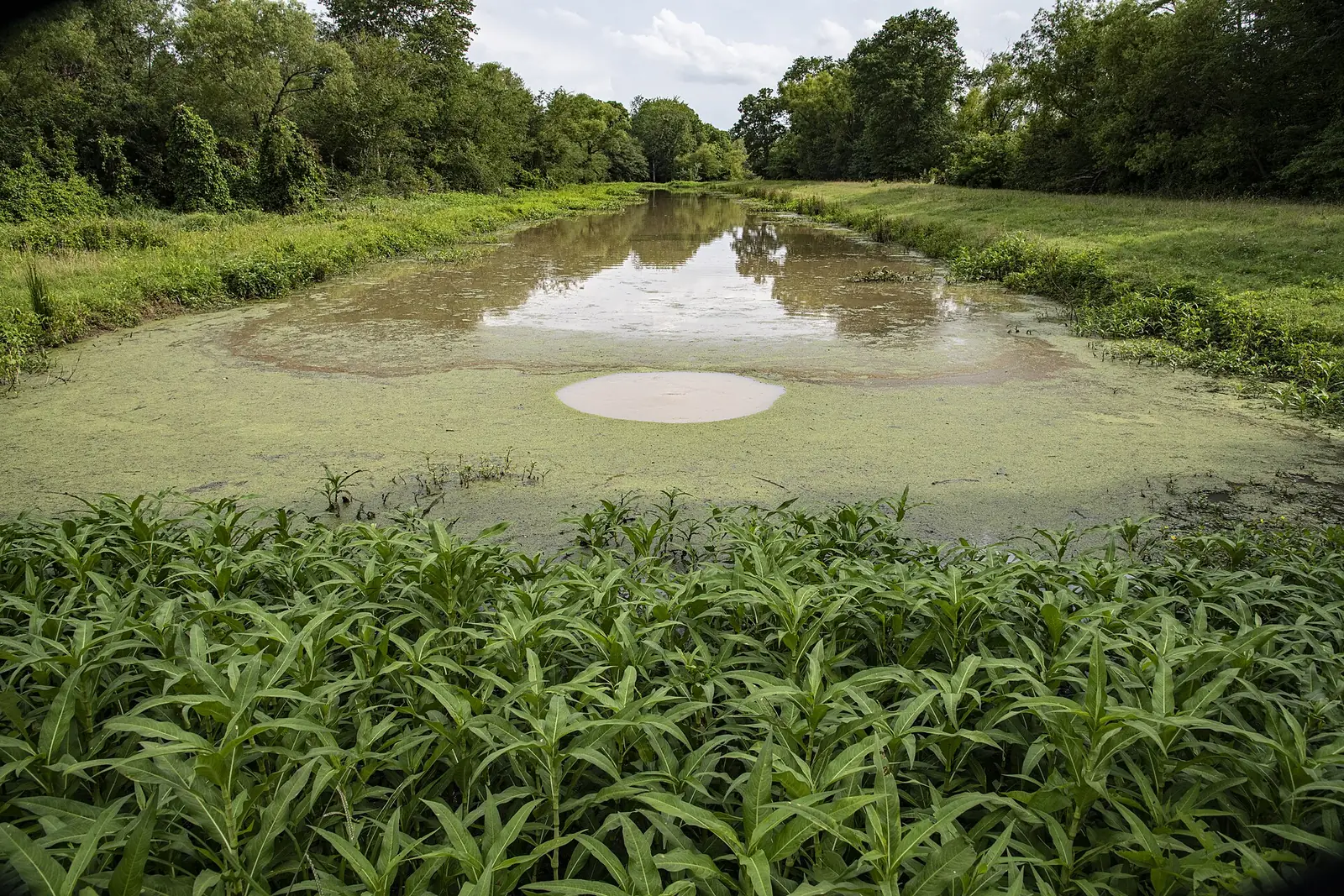
Aquaculture & Ponds.
Water quality support for aquaculture ponds
Uneaten feed and waste settle in ponds, raising ammonia and building sludge. Beneficial bacteria help digest that organic matter, supporting cleaner water across a range of temperatures and salinities.
Common problems
- Organic sludge building up on the pond bottom
- Ammonia and poor water quality
- Murky water and odors
How we help
- Beneficial bacteria digest organic waste where it collects, instead of masking it with chemicals or fragrance.
- We recommend a product and dosing schedule based on your system and goals.
- Natural and biodegradable, with follow-up support from our team.
Where it is used
- Shrimp ponds
- Fish ponds
- Recirculating systems
- Decorative & farm ponds
Frequently asked questions
How do beneficial bacteria help pond water quality?
They help digest uneaten feed, waste and organic sludge on the pond bottom, which supports cleaner water and lower ammonia.
What kinds of ponds can be treated?
Shrimp and fish ponds, recirculating systems, and decorative and farm ponds, in fresh or brackish water.
How often is it applied?
Ponds are usually treated on a regular schedule based on stocking, feeding and water conditions. We recommend a program for your operation.
Let’s look at your system, free
Tell us what you are dealing with and we will recommend a treatment program. Prefer to chat? Message us on WhatsApp.